Case Study
Designing a Digital War:
Reimagining Seqrite’s flagship Cyber Threat Report.
Scroll ↓

Overview
Seqrite had previously produced two editions in collaboration with the Data Security Council of India (DSCI), with Seqrite providing proprietary threat intelligence while DSCI handled the design and publication.
In 2025, we brought the entire report in-house for the first time — from data and narrative through creative strategy, design, production and launch.
The ambition was bigger than producing a report. It was to create a flagship piece of intellectual property capable of positioning Seqrite as a credible voice in cybersecurity.
Challenges
The project had to establish the credibility and visual authority of a major industry publication while working within a highly compressed six-week timeline.
The complexity came from several directions:
Multiple stakeholders across research, content, marketing, design and web
Evolving data and narrative inputs
High expectations around accuracy and credibility
Multiple rounds of review and approval
No external design partner to absorb production or alignment
A fixed launch deadline at AISS
The challenge was therefore not simply to design a report. It was to align multiple functions, make creative decisions under ambiguity and maintain quality while moving towards an immovable deadline.
My Role
I led the creative direction and end-to-end design execution of the report.
My responsibilities covered:
Developing the overall creative concept and visual language
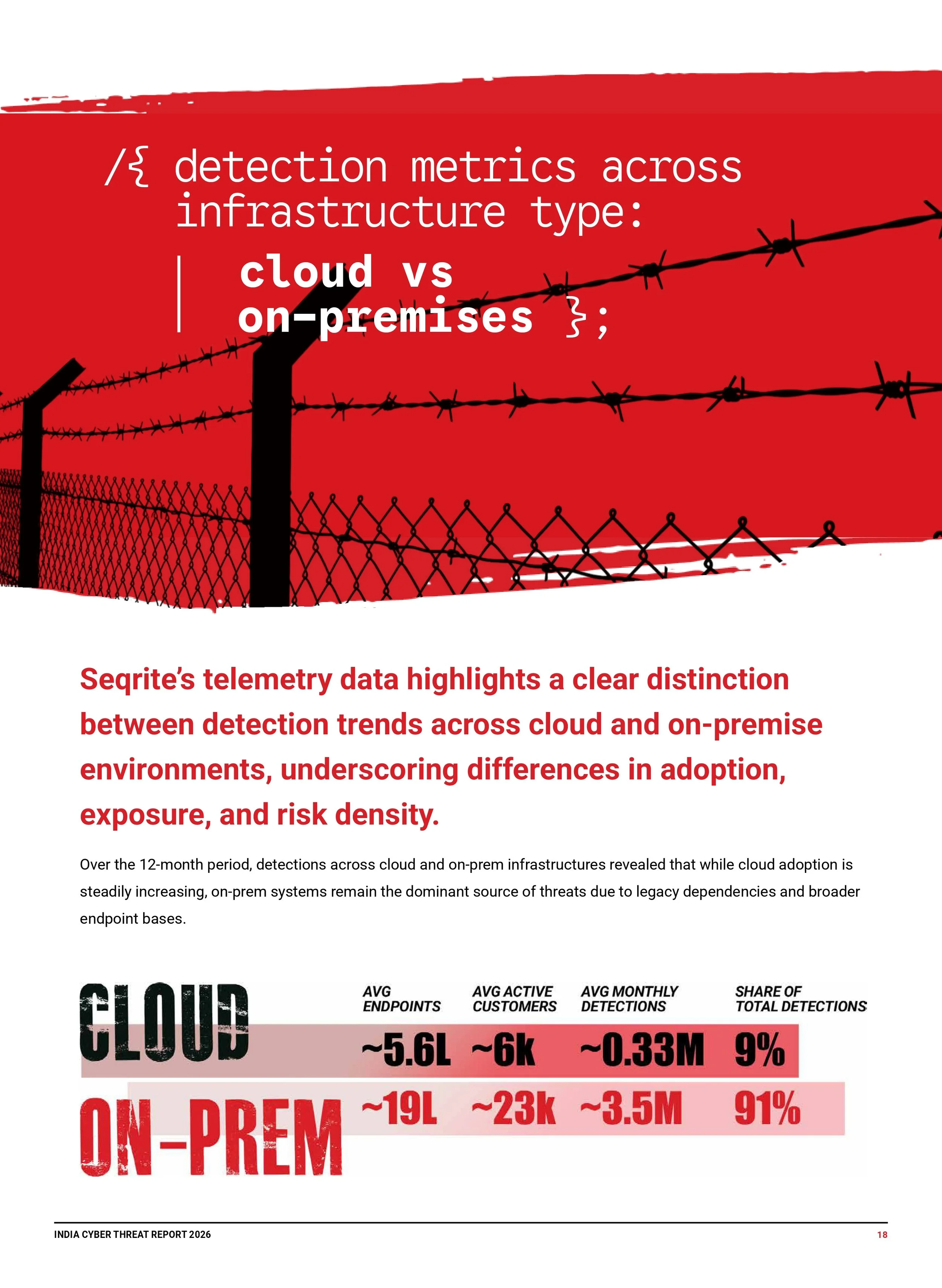
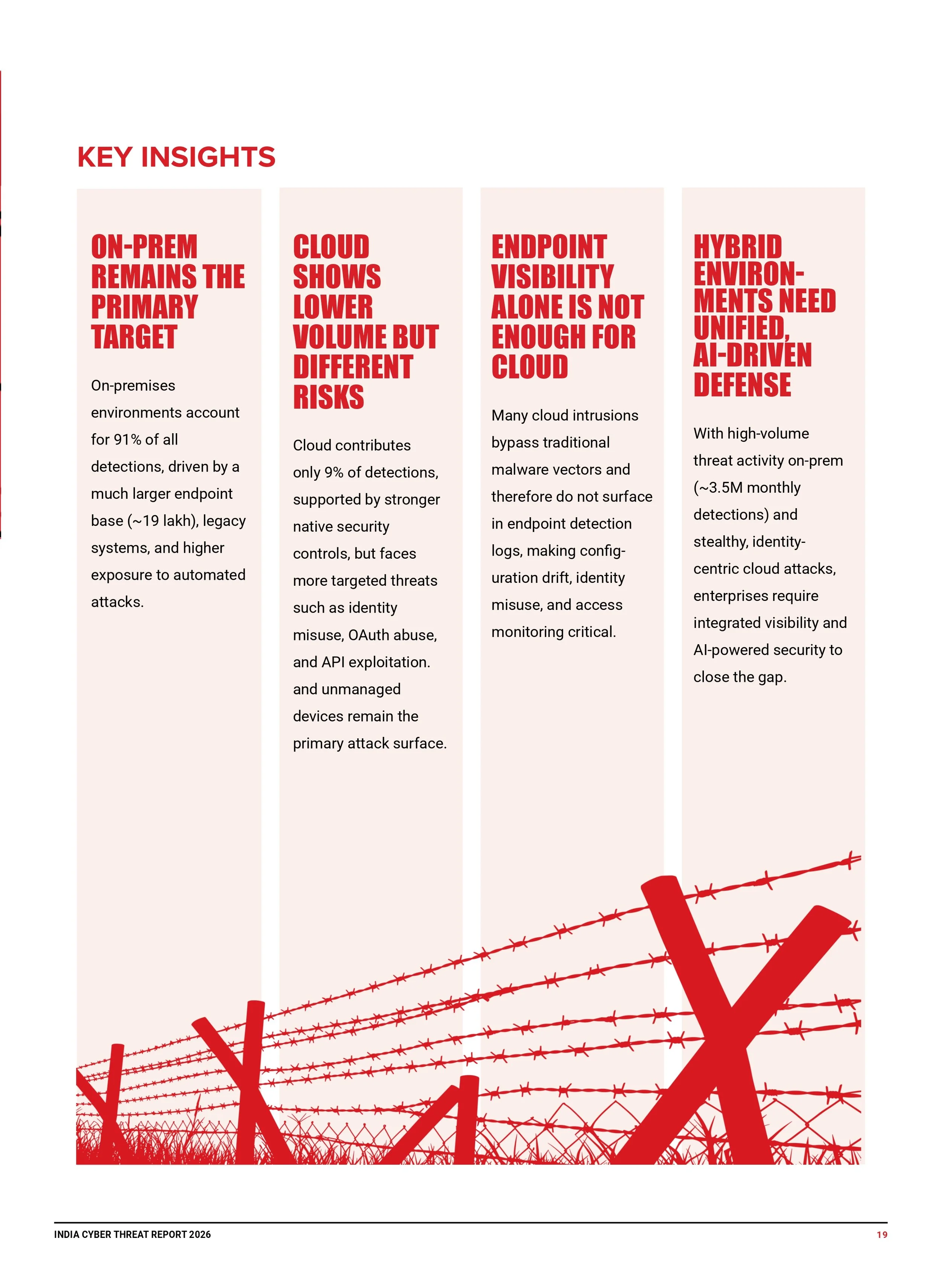
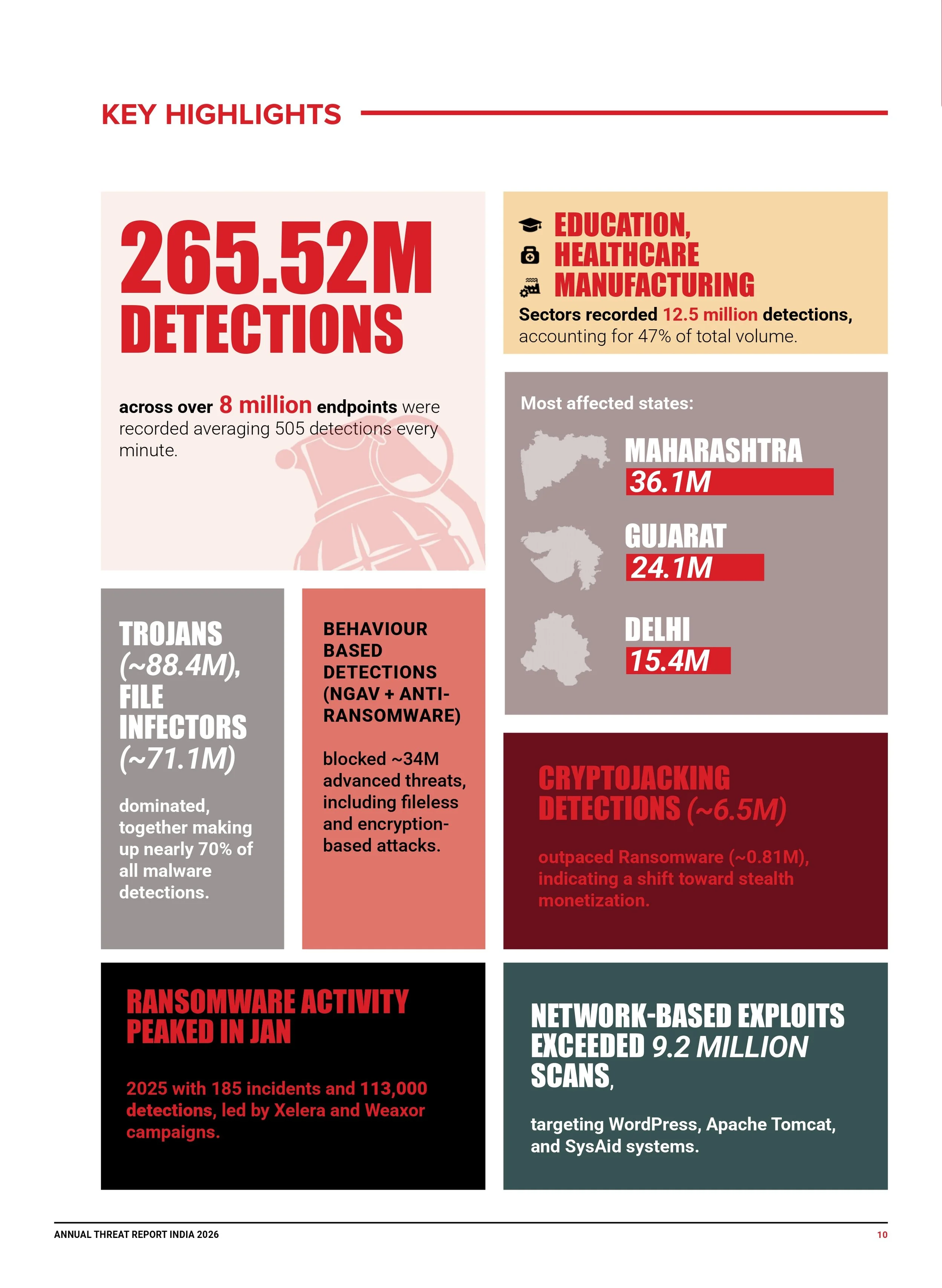
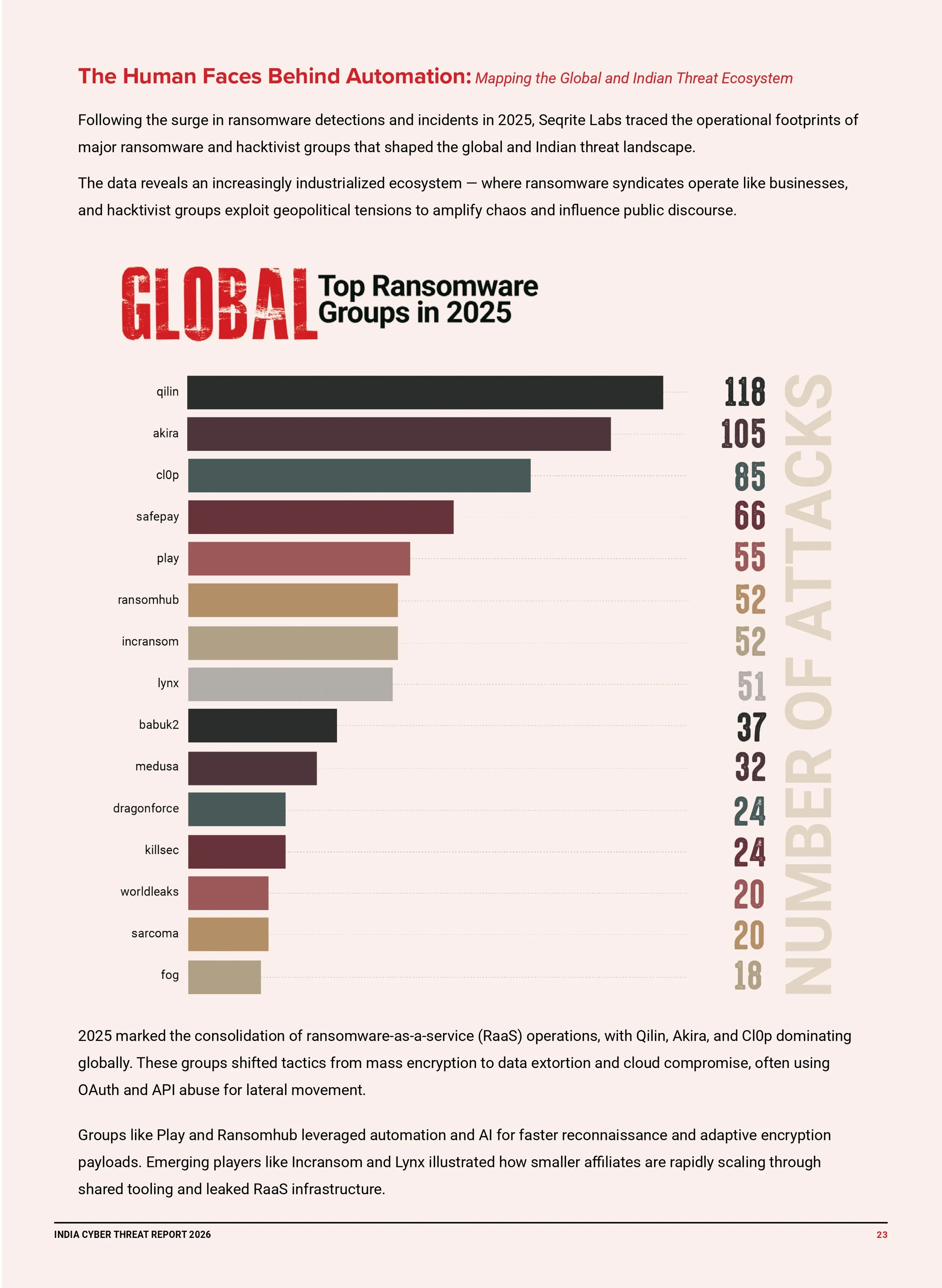
Translating complex cybersecurity data into a compelling visual narrative
Directing the report’s design system, layouts and imagery
Coordinating with content, data & research, marketing and web teams
Managing stakeholder reviews and approvals
Establishing the proofing and quality-control process
Evaluating conflicting feedback and making final creative calls
Driving the project through production and launch
This was a shift from being responsible for design output to owning the creative process and helping orchestrate the entire delivery.
Solution
Creative Strategy — Visualising a Digital War
The report focused on the scale and intensity of international cyber attacks.
The central creative thought was simple:
Cyber warfare is the new battlefield.
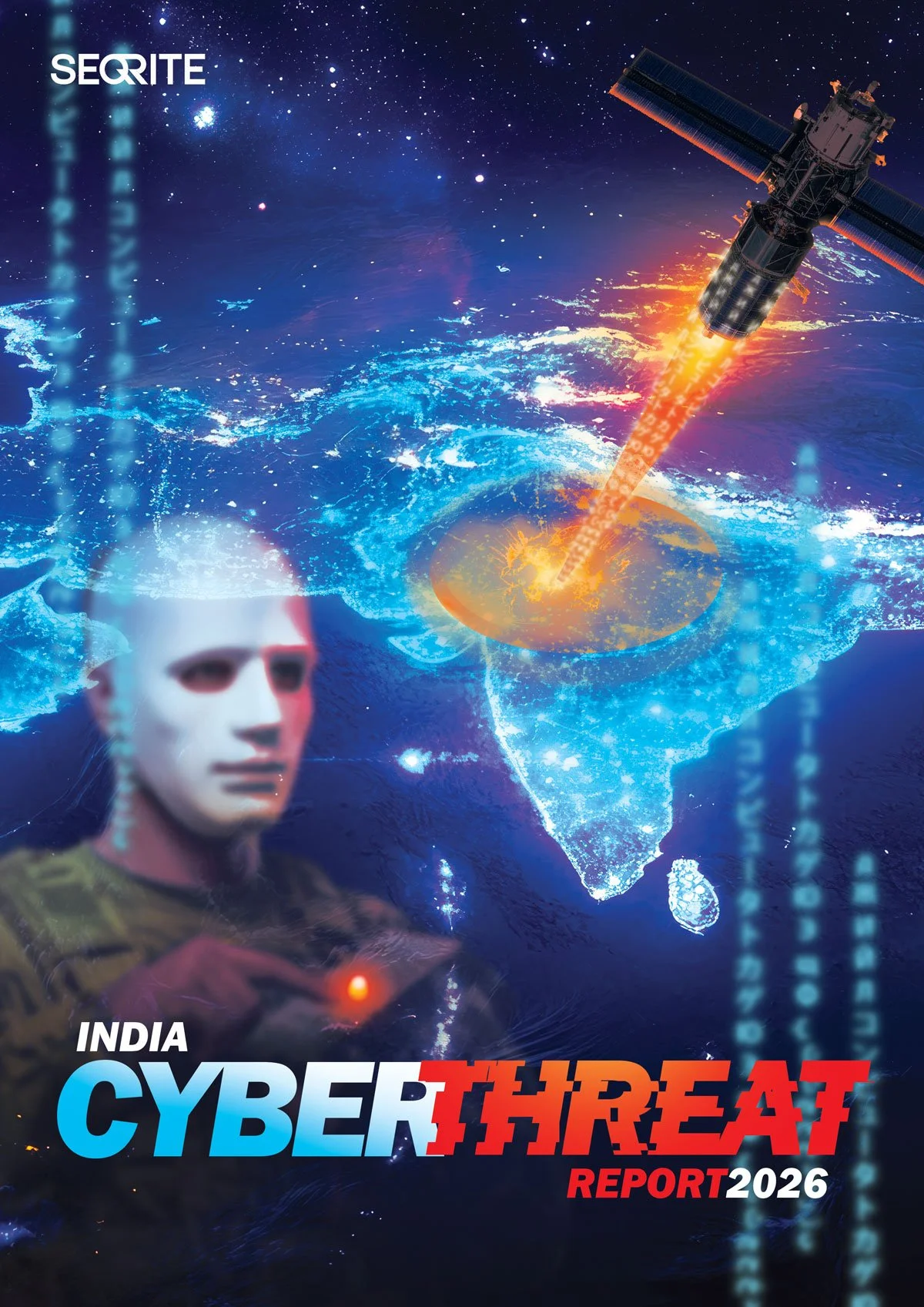
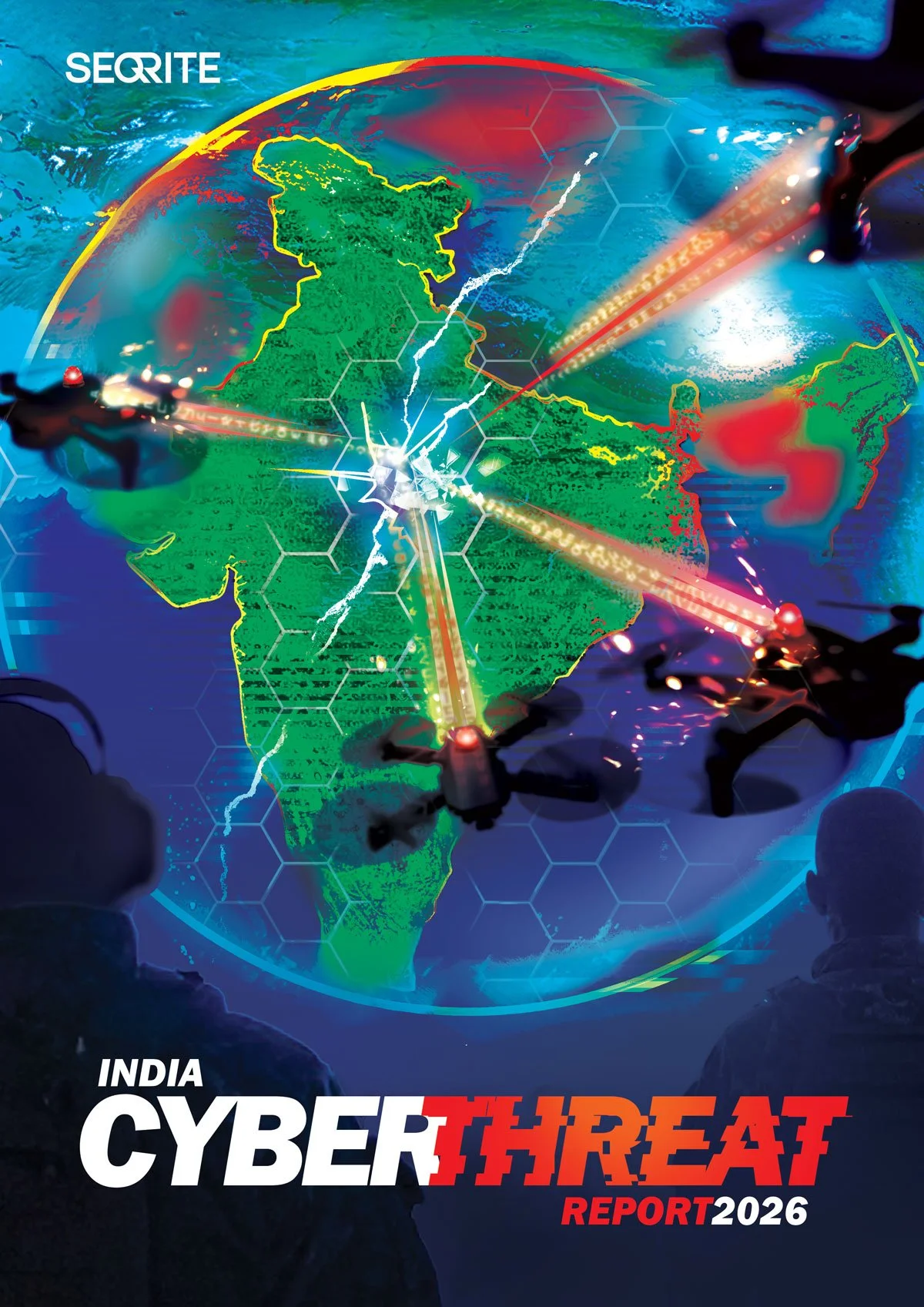
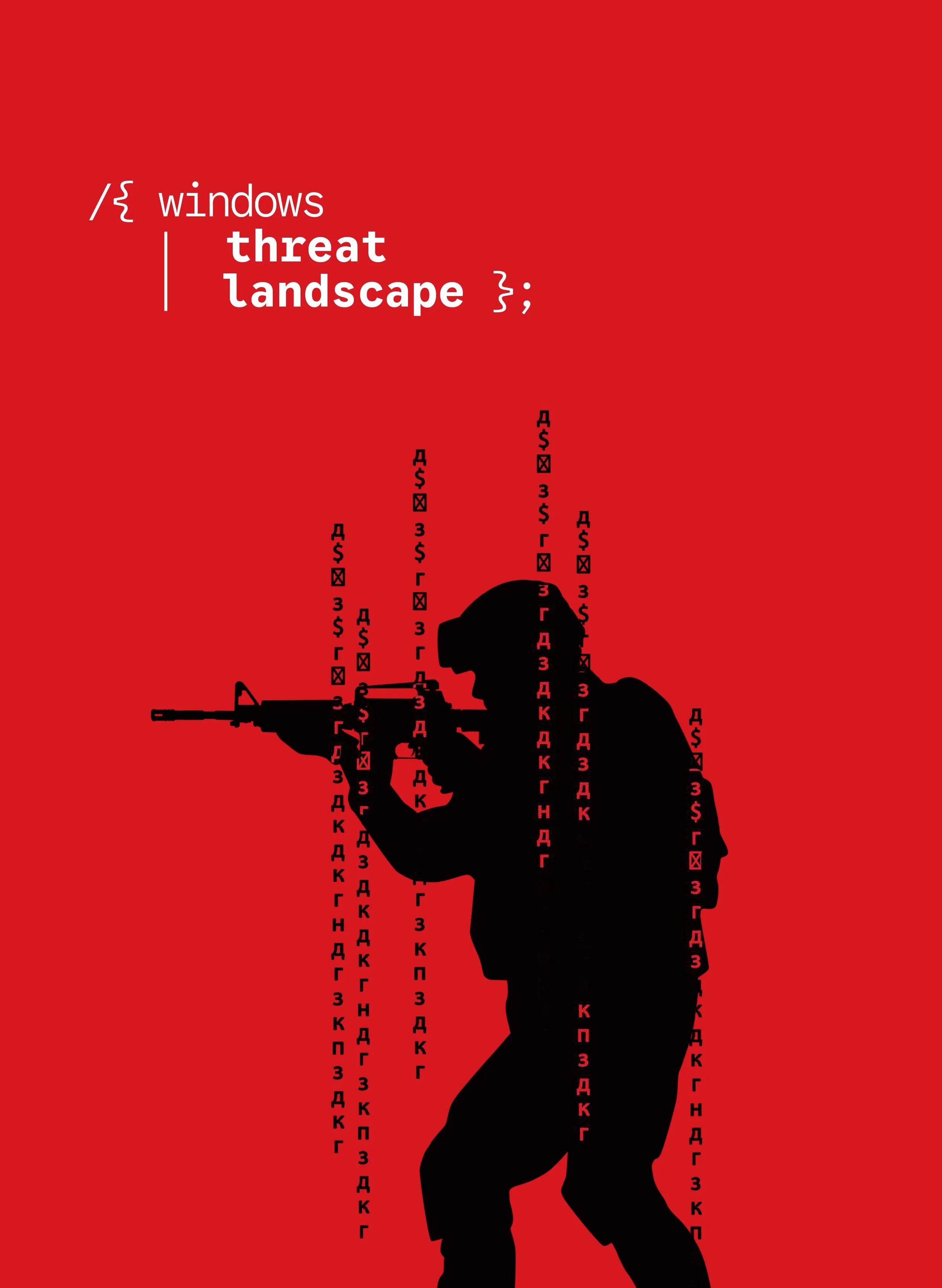
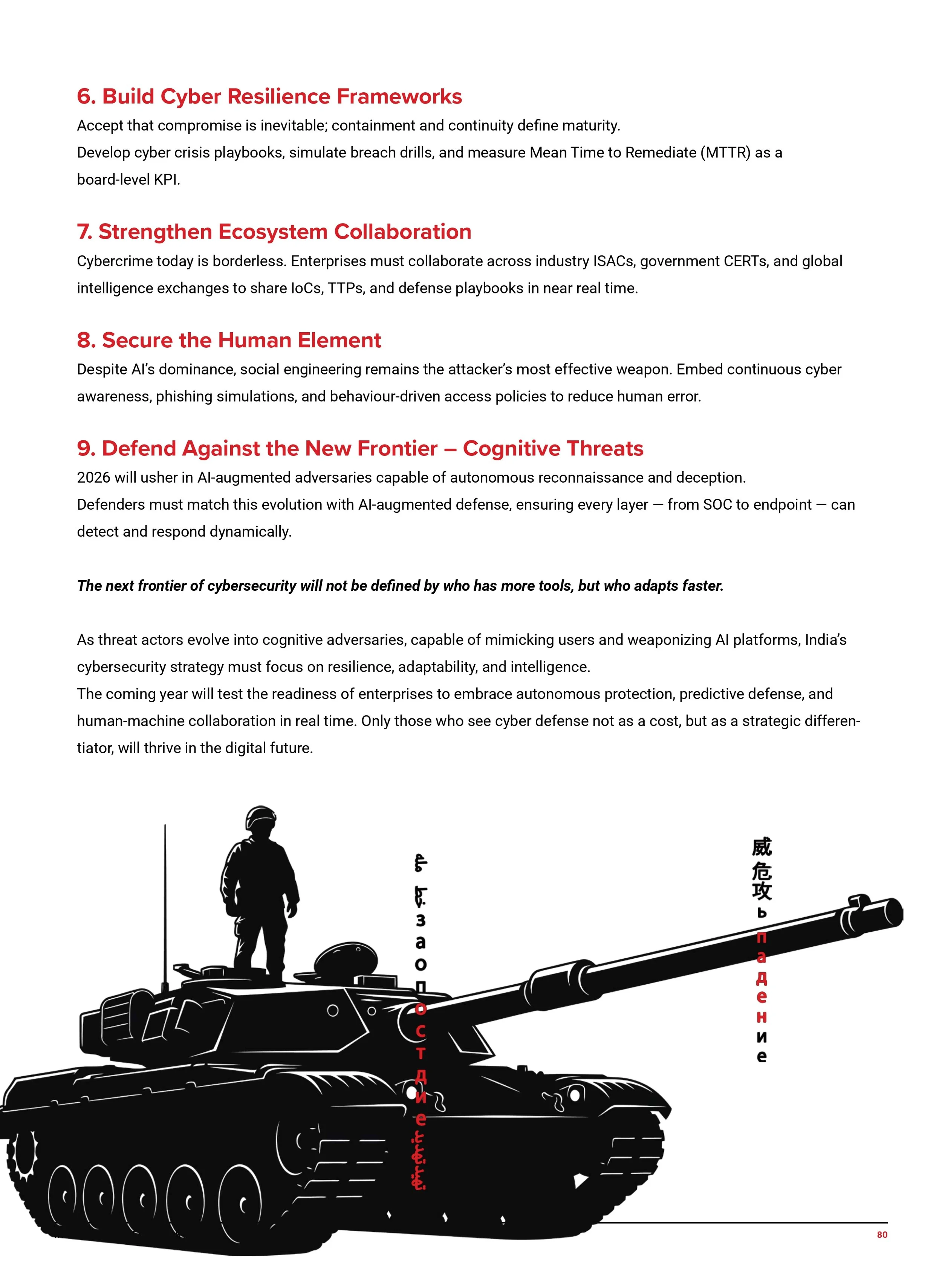
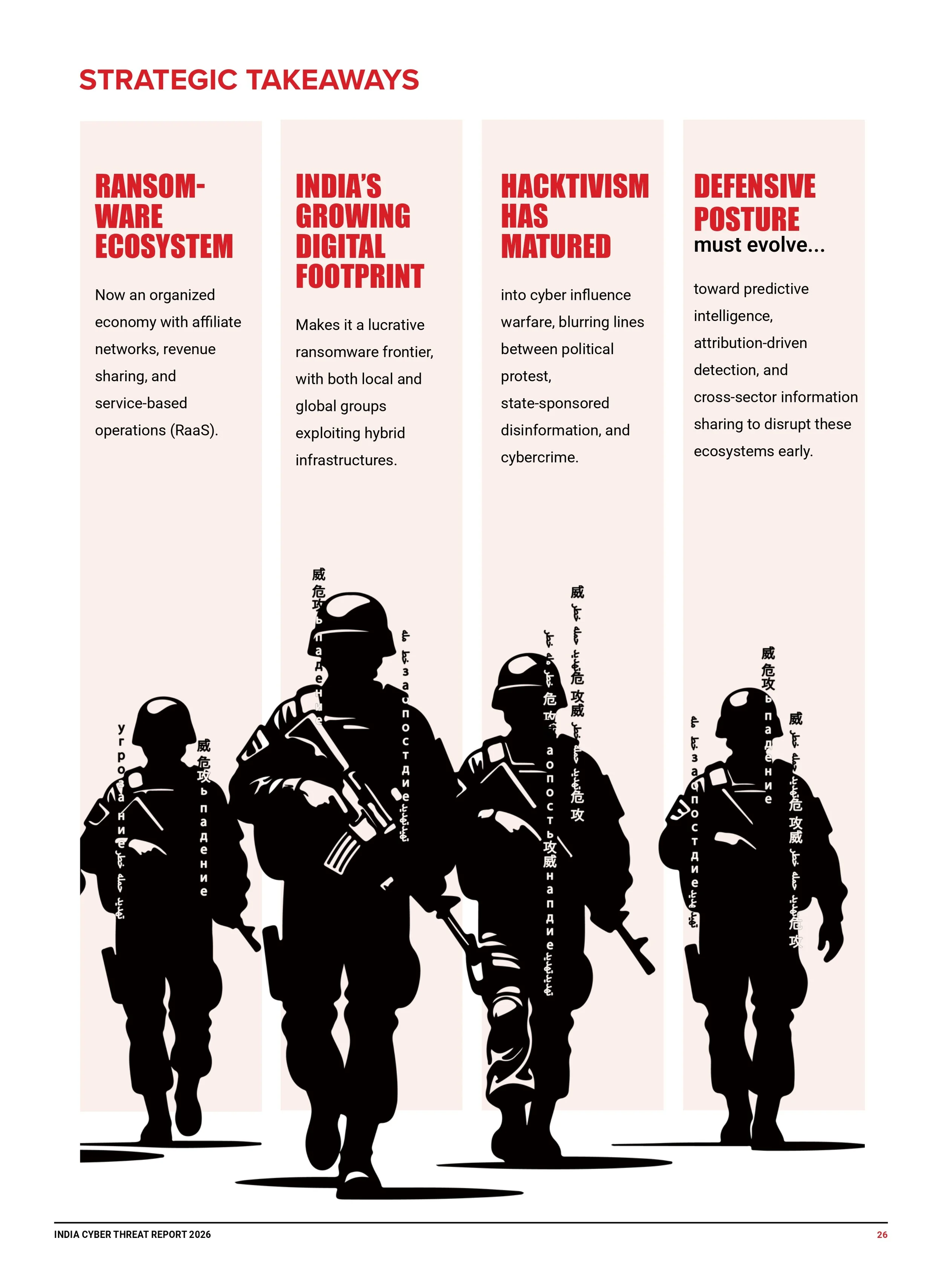
With major conflicts increasingly extending into the digital realm, we used the visual language of conventional warfare to represent the cyber threat landscape — but reinterpreted it through a digital lens.
War imagery was integrated with lines of code, creating a visual world where physical warfare and digital warfare became one.
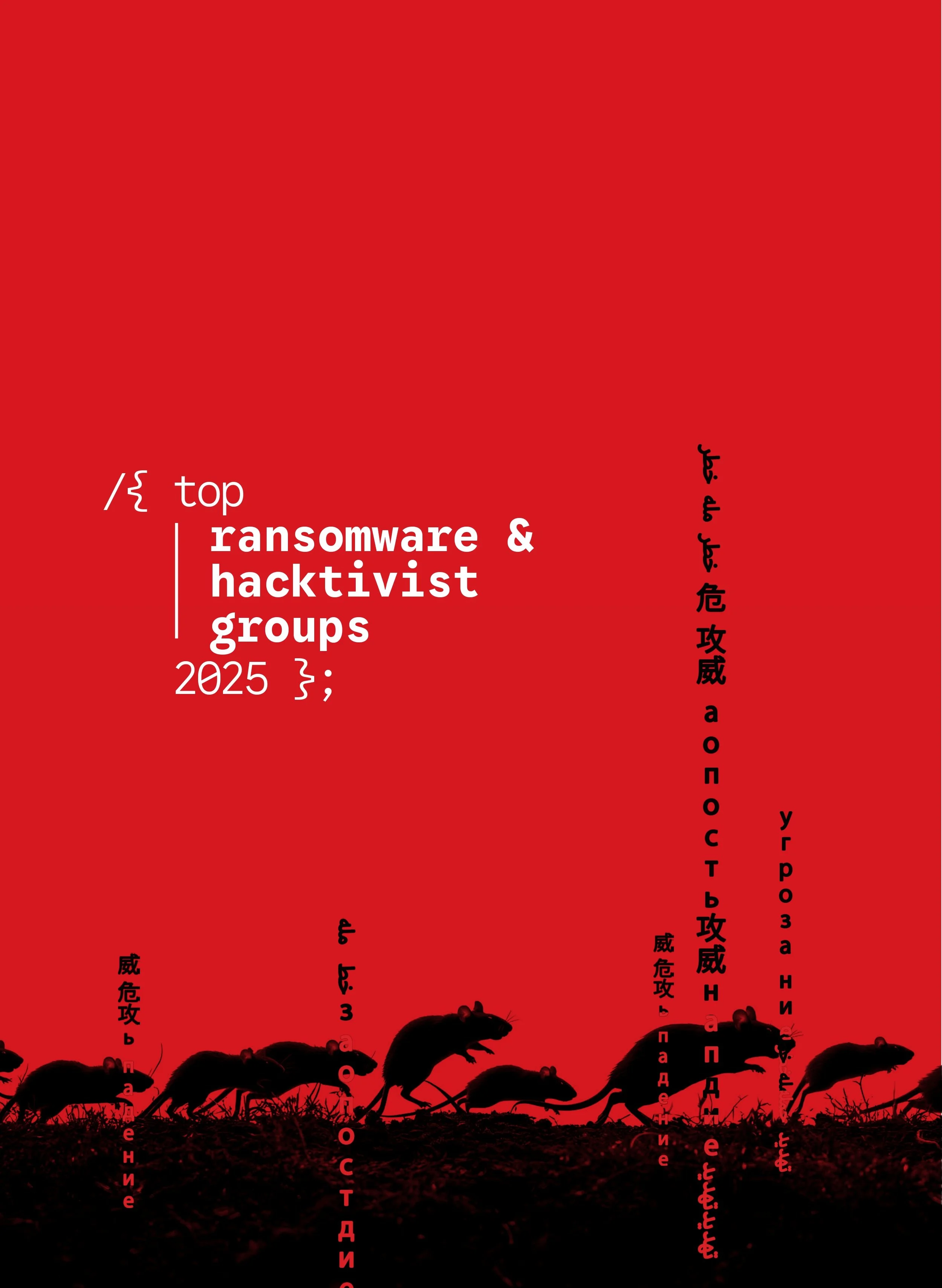
To avoid inadvertently associating cyber threats with specific national identities, we deliberately avoided literal flags, uniforms or photographic representations. Instead, we used vector silhouettes of soldiers, military vehicles and ammunition.
We then replaced the familiar 1s and 0s of computer code with scripts associated with four major hacker hubs identified in the report — Russian, Korean, Chinese and Persian/Arabic writing systems.
The result was a visual language that felt:
Global. Threatening. Digital. Unmistakably cybersecurity-focused.
A deep red and black palette reinforced the atmosphere of conflict, danger and its aftermath.
Execution & Leadership — Creating a Faster Decision Loop
With multiple teams contributing to the report, maintaining alignment became critical.
I established recurring cross-functional review calls and increased their frequency as we approached launch. Rather than relying on a single final review, we created a tighter decision loop throughout the project.
I also expanded the proofreading and quality-control circle to catch errors and inconsistencies earlier.
As feedback came from multiple stakeholders, I took ownership of deciding which feedback strengthened the report and which would compromise the overall creative direction or timeline.
This allowed the team to preserve quality without allowing the review process to become a bottleneck.
Impact
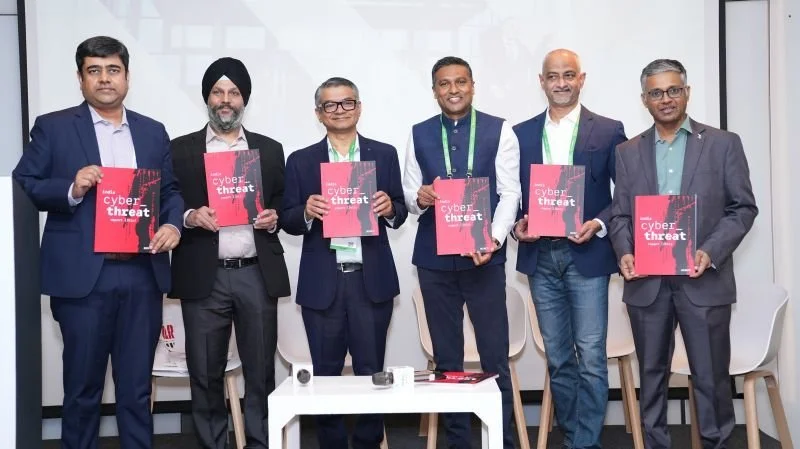
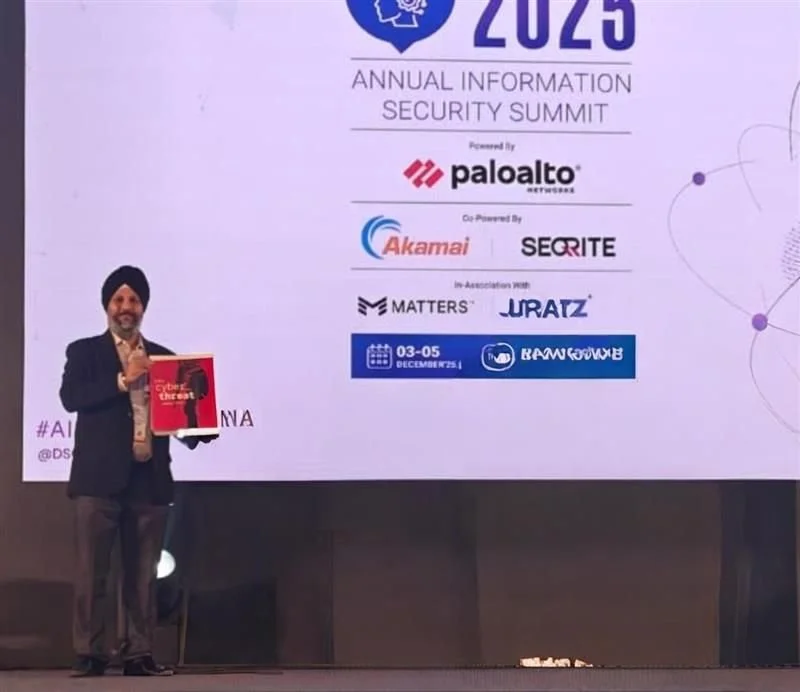
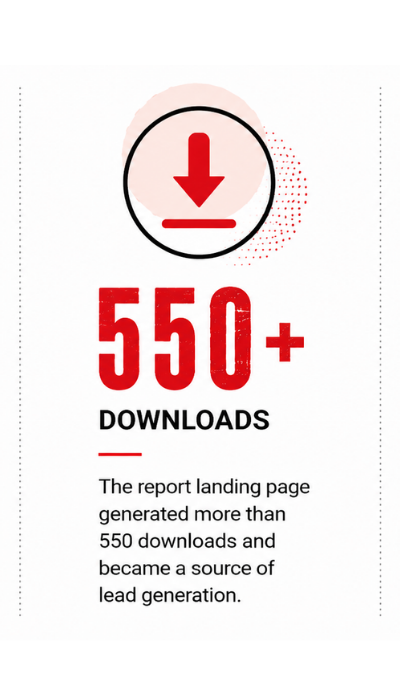
The report launched successfully at AISS as Seqrite’s first completely in-house edition, marking a significant step in the evolution of the publication.
The work generated measurable and qualitative validation:

Social media campaign
Concept Evolution